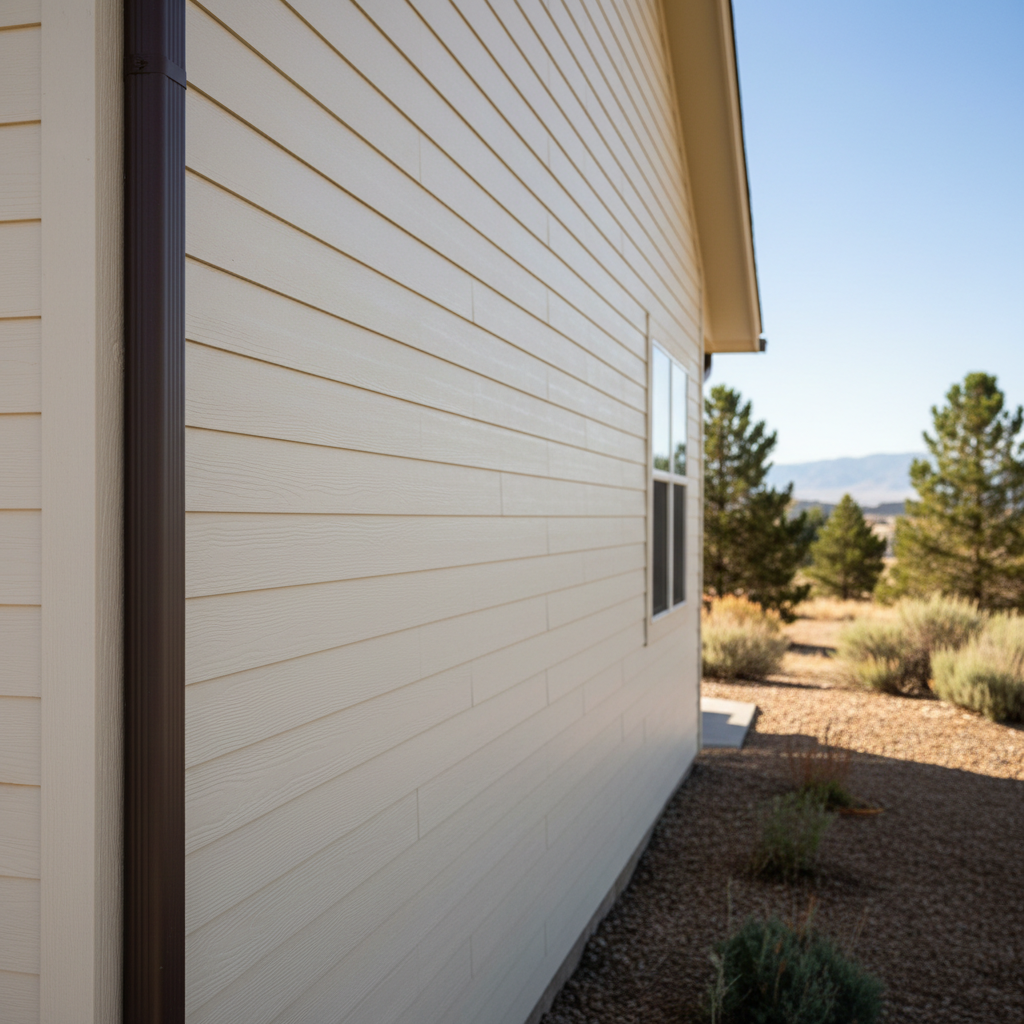
Alright, let's talk vinyl siding. I've been doing this for a long time here in Taylorsville, and I hear the same questions over and over. That's good, actually, because it means folks are doing their homework. You should be. Your home is a big deal, and new siding is a big investment. So, I'm going to lay out the straight answers to the most common questions I get about vinyl siding installation.
Is vinyl siding really durable enough for Utah weather?
This is a big one, and it's a fair question, especially with our crazy Utah weather. We get those scorching summers where the sun just bakes everything, and then brutal winters with heavy snow and ice. Plus, those quick temperature swings we see in spring and fall can really put materials to the test. Modern vinyl siding, the stuff we use today, is a lot tougher than what your grandpa might remember. It's engineered to handle expansion and contraction without cracking or warping. Good quality vinyl has UV inhibitors built right in, so it resists fading from that intense Taylorsville sun. And it's designed to flex a bit, which helps it stand up to hail and wind. I've seen it hold up really well through some nasty storms. So, yes, it's absolutely durable enough, as long as you're getting quality material and it's installed correctly.
How long does vinyl siding installation actually take?
That's like asking how long it takes to drive to California – depends on where you're starting and what you're driving. For a typical single-family home here in Taylorsville, say a rambler or a two-story with standard gables, you're usually looking at anywhere from a few days to a week and a half. A lot of factors play into it: the size and complexity of your house (lots of bump-outs, windows, doors, or intricate architectural details will add time), the weather (we can't side in a blizzard or a downpour), and the size of the crew. We always aim to be efficient without cutting corners. We'll give you a much clearer timeline once we've seen your place, but it's rarely an overnight job. We're talking about transforming your home's exterior, not just slapping on a coat of paint.
What kind of maintenance does vinyl siding need?
This is one of vinyl's biggest selling points, honestly. The maintenance is minimal. You don't need to paint it, ever. You don't need to caulk it every few years like you might with wood. Mostly, it just needs a good cleaning every now and then. I recommend a gentle wash with a garden hose and a soft brush, maybe some mild soap, to get rid of dirt, pollen, and any mildew that might pop up, especially on the north-facing sides of your house that don't get as much sun. You can rent a pressure washer, but be careful not to use too high a setting or get too close, because you can actually force water behind the panels or damage the vinyl. A good rinse once a year or every couple of years is usually plenty to keep it looking sharp.
Will new vinyl siding improve my home's energy efficiency?
It can, absolutely. While vinyl siding itself isn't an insulator, it's often installed with an insulating layer underneath. We call it